In this article
When you walk into a space that feels instantly calm, joyful, or inspiring, you’re experiencing the quiet power of beauty. Beauty is not just decoration — it shapes how we live, how we feel, and how we connect with one another. Our homes are more than walls and roofs; they are living environments that nurture our spirits.
Beauty and Order in Nature
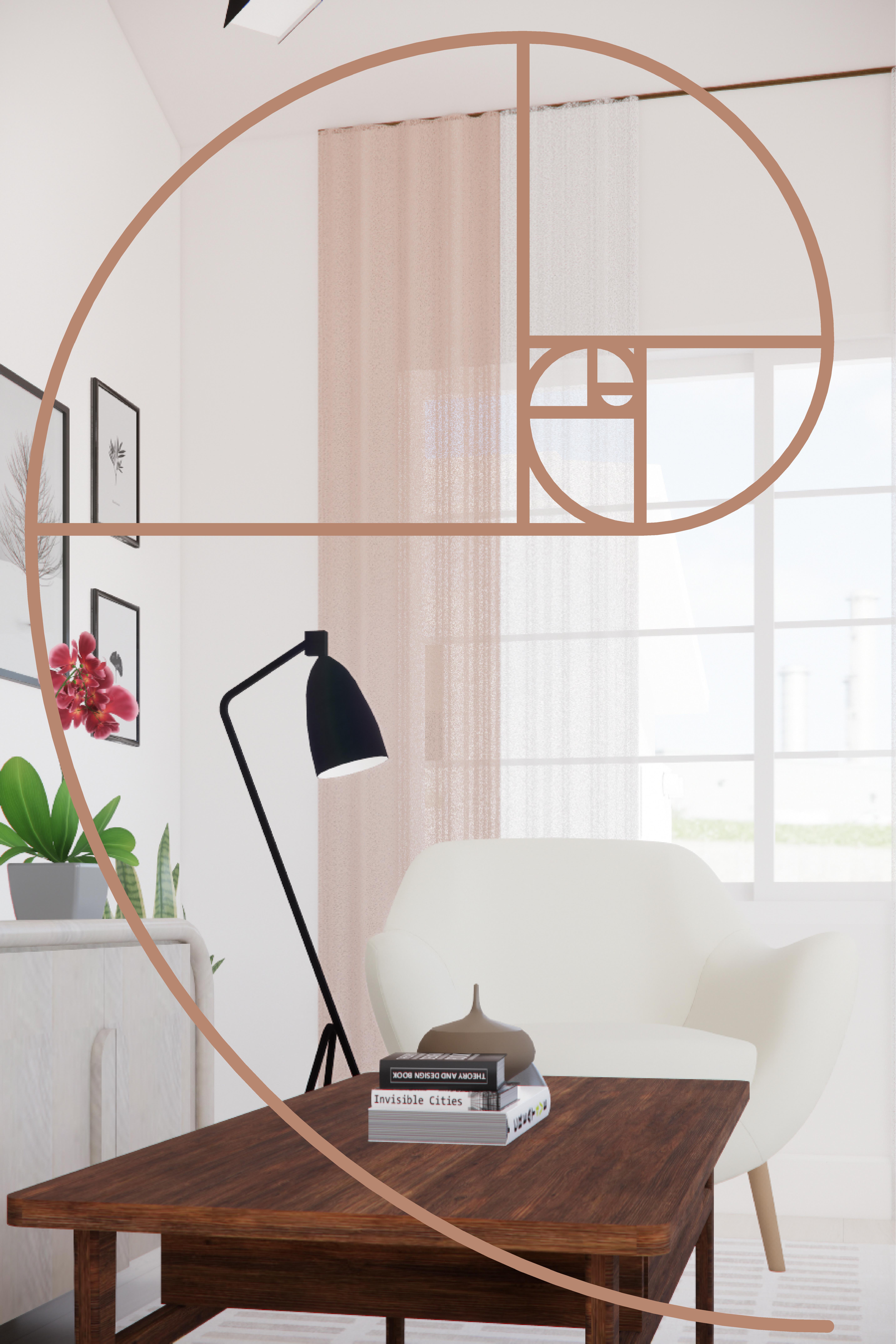
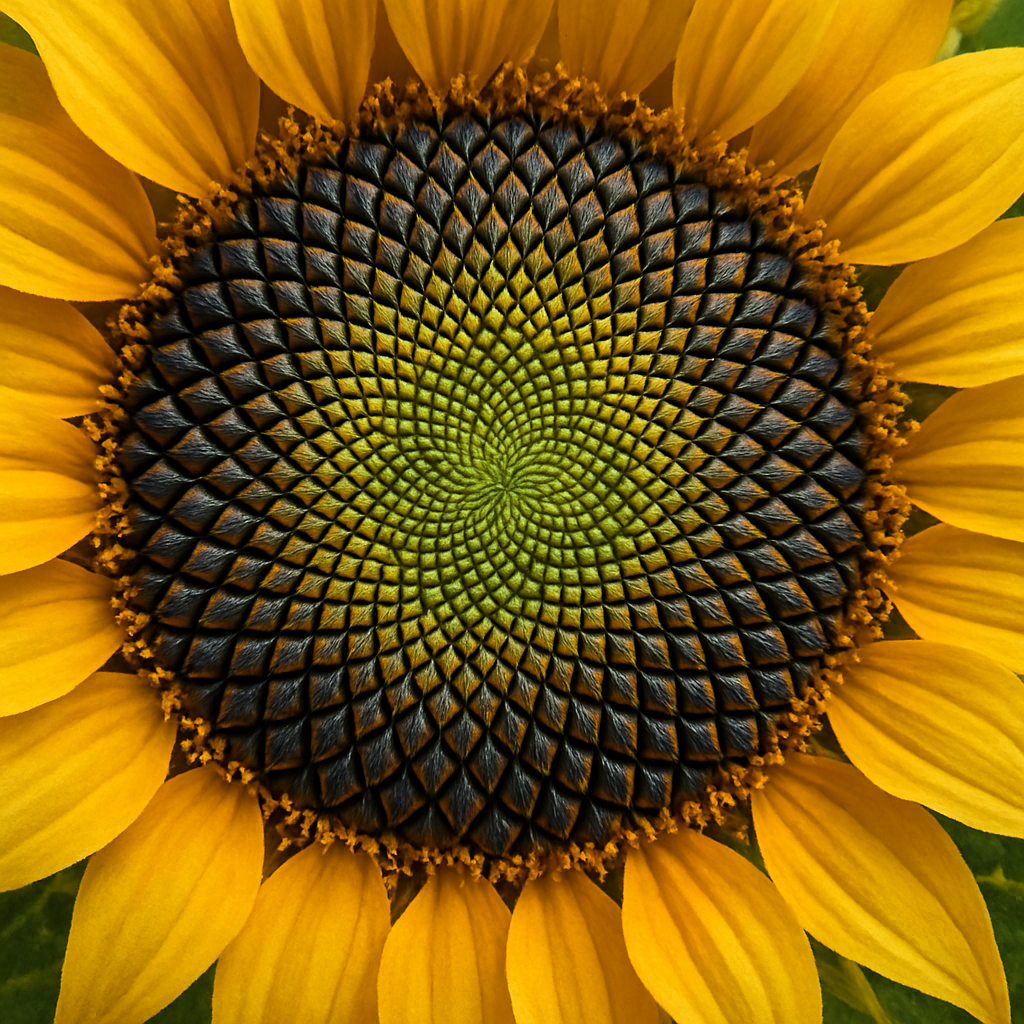
Throughout history, artists and architects have looked to nature for inspiration. One of the most fascinating patterns is the golden ratio — a mathematical proportion (about 1.6 to 1) that appears in seashells, sunflowers, and even the human body.1 When designers apply this ratio to layouts, furniture, or art arrangements, spaces feel balanced and natural. This shows us that beauty is not accidental; it’s built into the fabric of creation itself.
Visual concept by Beatriz T.
Beauty with Purpose
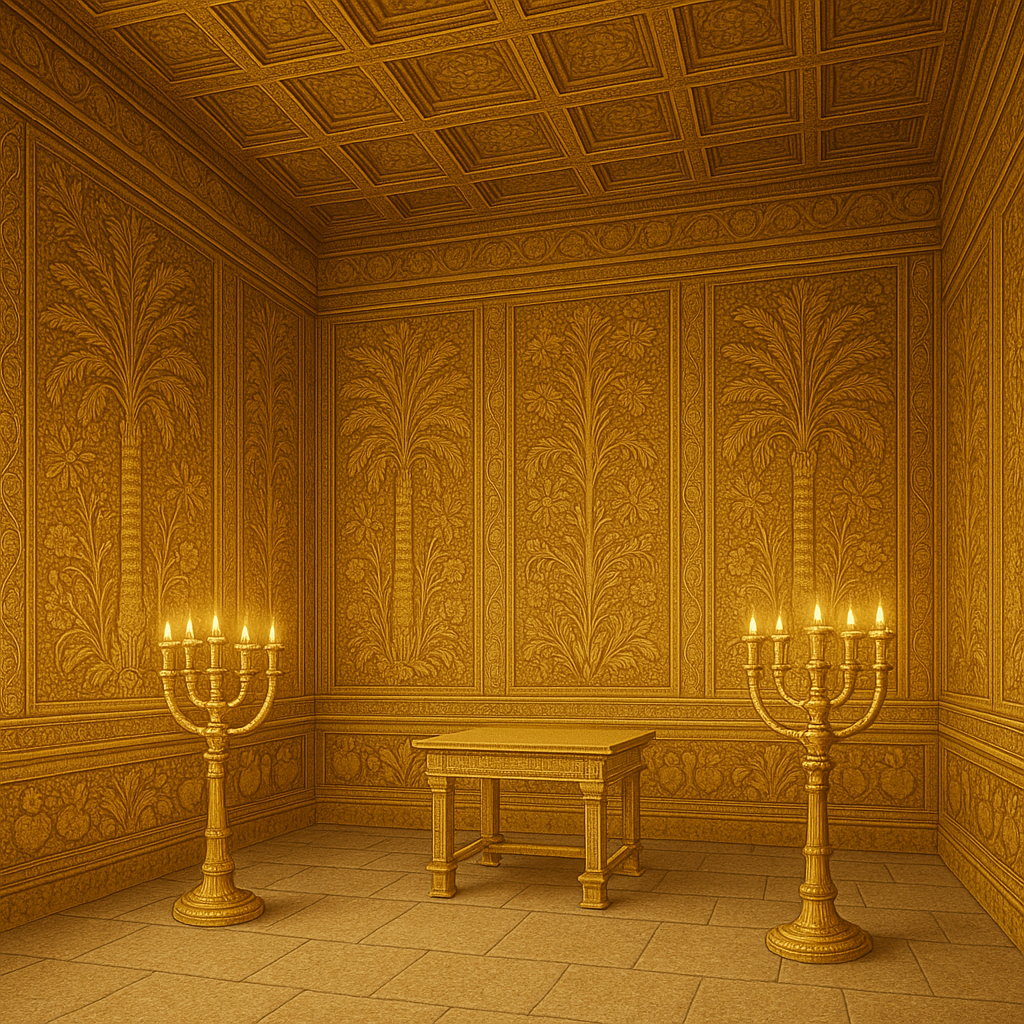
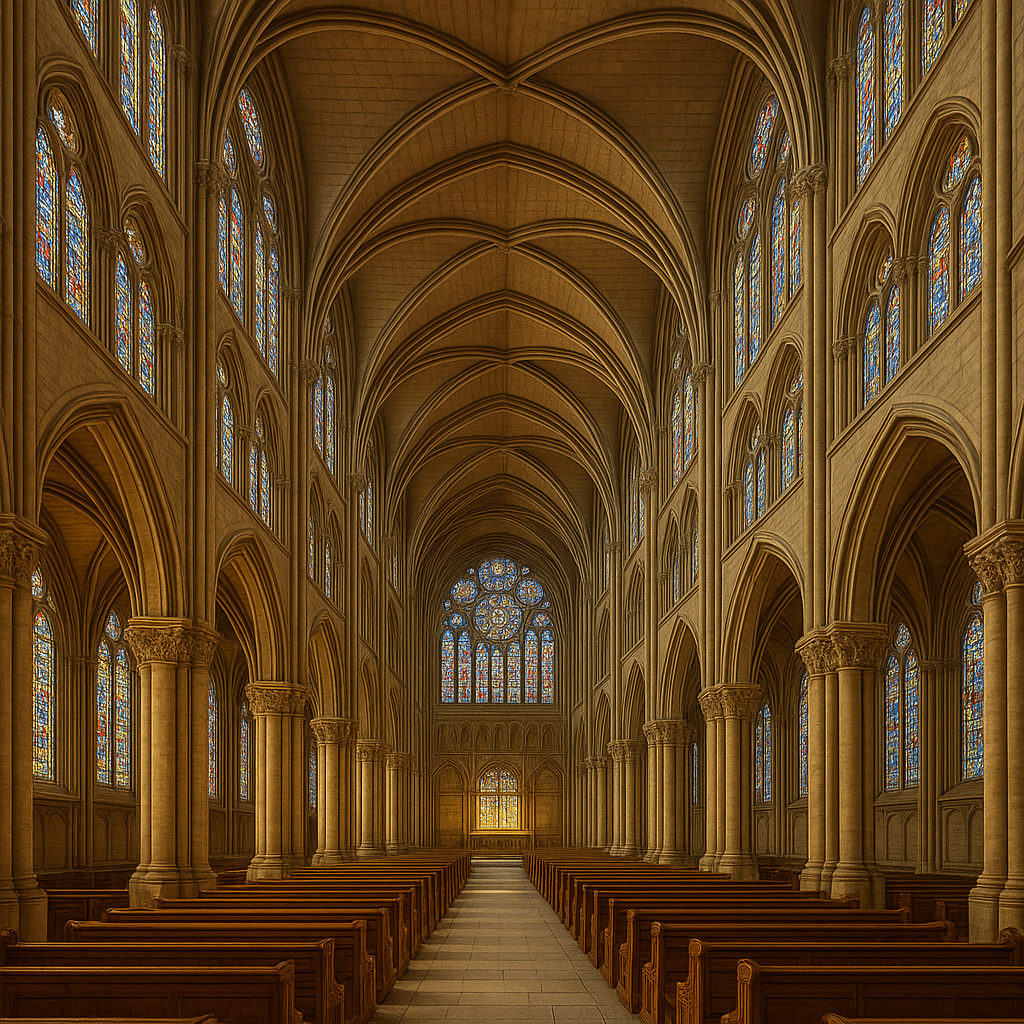
The great buildings of history were never designed for function alone. From ancient temples to modern cathedrals, beauty was woven into every carving, material, and proportion. Harmony, craftsmanship, and meaning transformed these structures into places that lifted the human heart and invited reflection. Beauty was understood as a way of honoring what matters most.2
Visual concept by Beatriz T.
Visual concept by Beatriz T.
Craftsmanship and Skill
Behind every great design are artisans and makers who pour their talent into details others might overlook. Their wisdom and skill are not merely technical — they are creative gifts that elevate ordinary spaces into extraordinary ones. When craftsmanship is valued, beauty becomes more than surface decoration; it becomes a lasting part of daily life.3

Visual concept by Beatriz T.

Visual concept by Beatriz T.
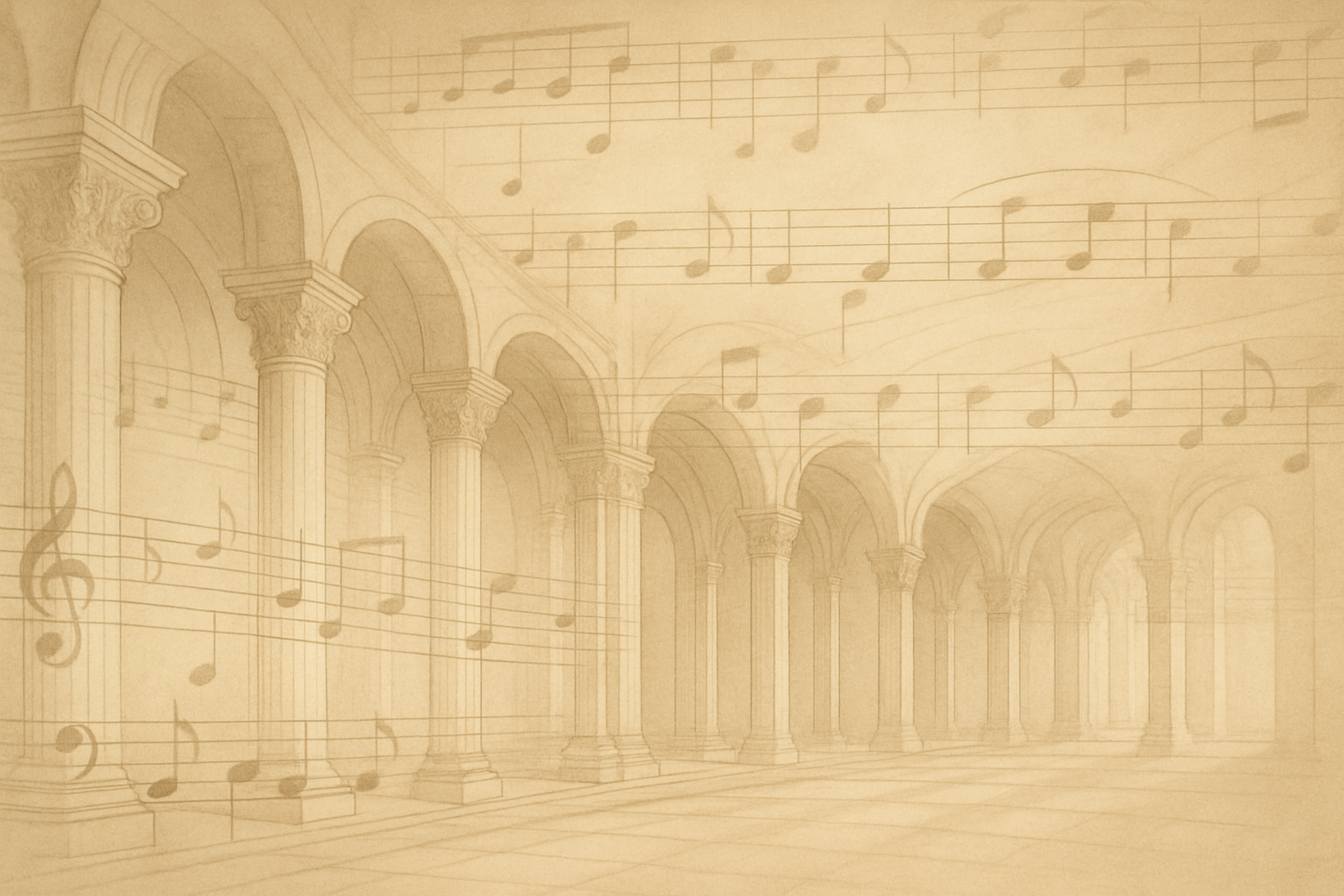
Architecture as Silent Music
Architecture has often been described as “silent music.” Just as a melody has rhythm, harmony, and balance, so do walls, windows, and rooms.4 When design is done with intention and care, a home can feel like a song that supports joy, peace, and belonging. In that sense, beauty is skillful living — a quiet composition that plays in the background of our everyday lives.
Visual concept by Beatriz T.
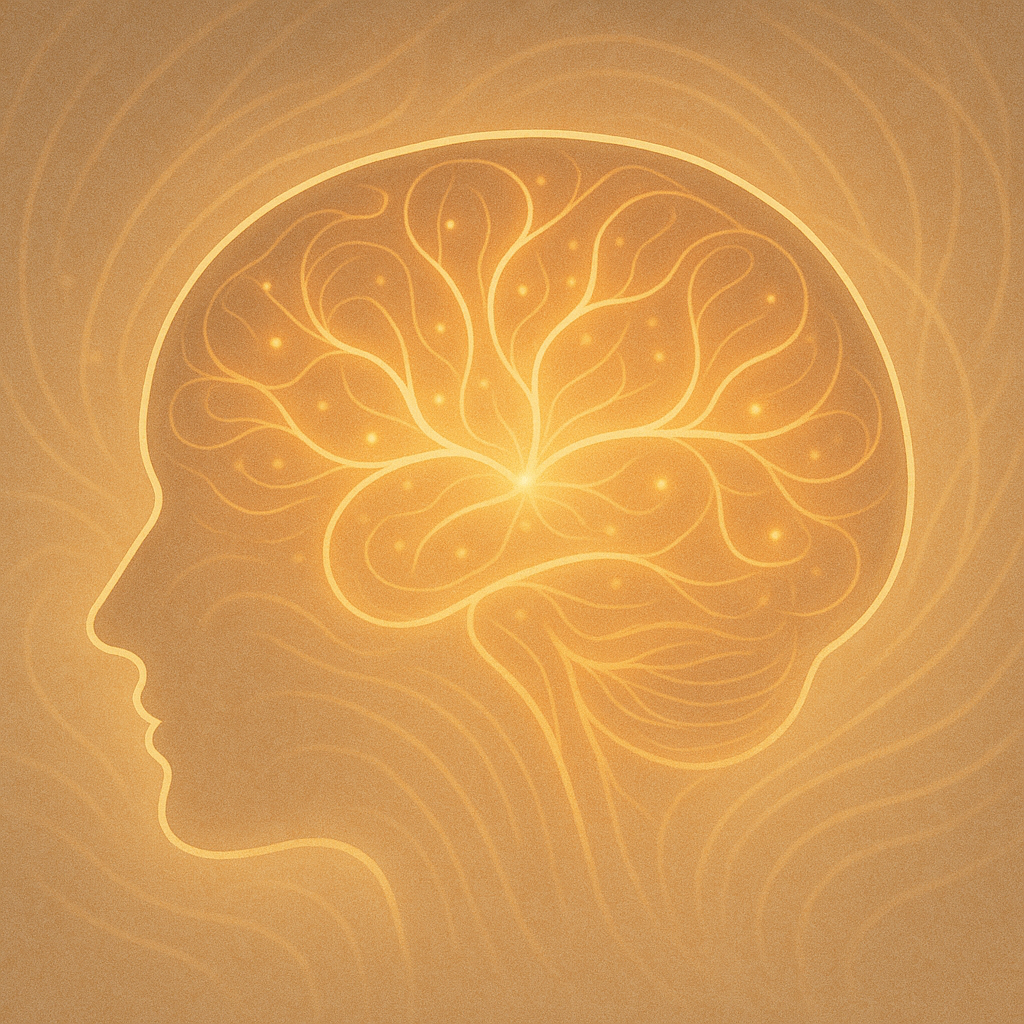
What Neuroscience Reveals About Beauty
- When we experience beauty, the brain’s reward centers light up, releasing feel-good chemicals linked to joy and contentment.5
- Symmetry and proportion are easier for the brain to process, which is why harmonious arrangements feel restful and pleasing.6
- Exposure to beautiful, natural environments has been shown to lower stress hormones, sharpen focus, and improve well-being.7
In other words, beauty is not a luxury — it’s something our brains crave. A thoughtfully designed space doesn’t just look better; it feels better, because our minds and bodies respond to it on a deep level.
Visual concept by Beatriz T.
Bringing Beauty into Our Homes Today
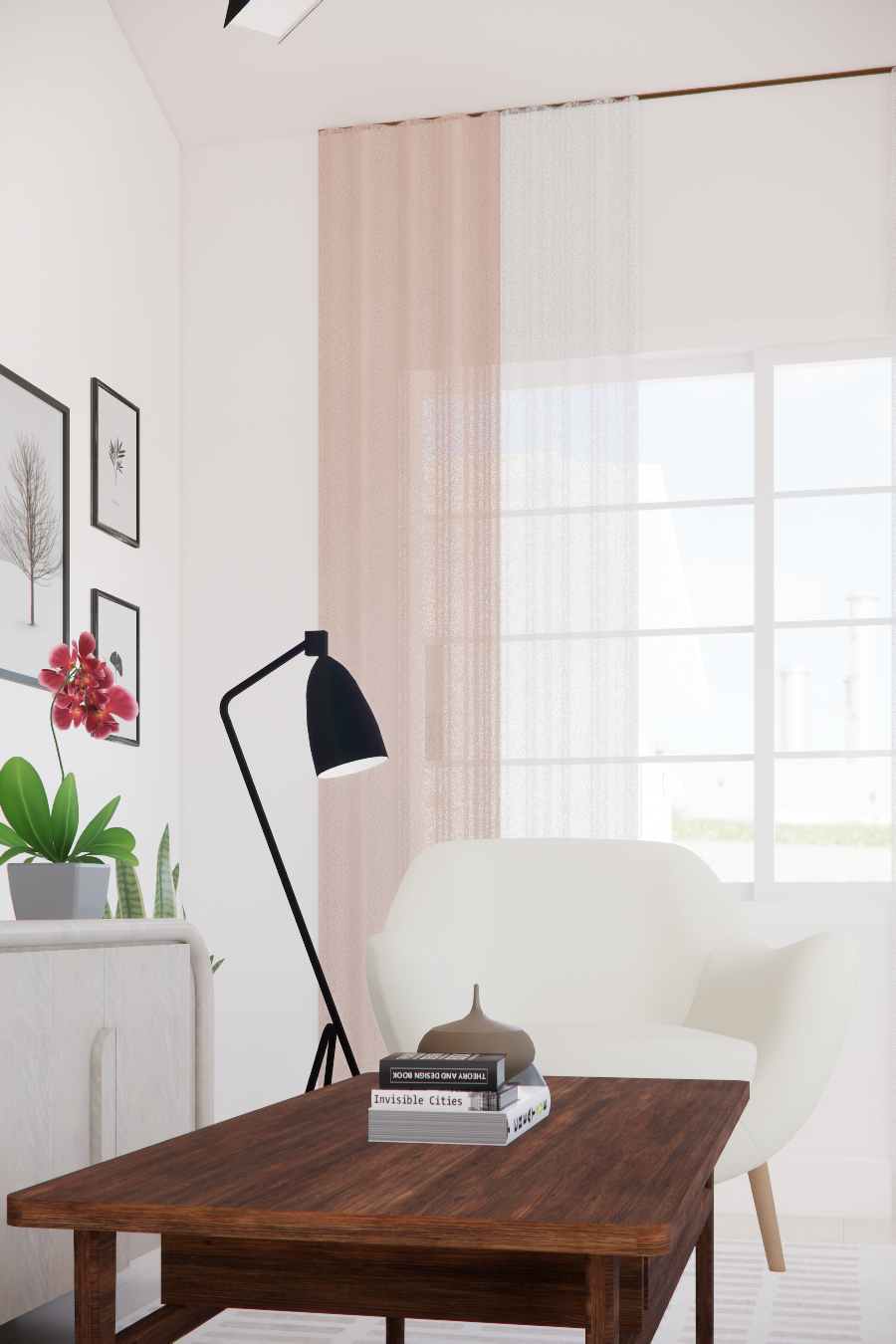
Beauty doesn’t require marble floors or golden walls. It shows up in:
- A thoughtfully placed lamp that creates warmth.
- A gallery wall arranged in harmonious proportions.
- A color palette that soothes and inspires.
- Natural textures that bring us closer to the outdoors.
Even small details can transform a house into a home that supports well-being. Investing in beauty is not superficial — it’s essential to living fully, because our environment shapes our state of mind.
Visual concept by Beatriz T.
Closing thought: Beauty is a universal language. It whispers through mathematics in nature, through history’s great architecture, through the skill of artisans, through the rhythms of design, and even through the pathways of the human brain. Whether grand or humble, beauty has always mattered — because it makes life feel whole.
If you’re ready to bring more harmony and beauty into your own space, explore my design packages — thoughtful, personalized solutions to help transform your home into a place that truly inspires you.
Footnotes
- 1. Livio, Mario. The Golden Ratio: The Story of Phi, the World's Most Astonishing Number. Broadway Books, 2003. ↩
- 2. Rykwert, Joseph. The Idea of a Town: The Anthropology of Urban Form in Rome, Italy and the Ancient World. MIT Press, 1988. ↩
- 3. Exodus 31:3–5; Exodus 35:35 (on artisans filled with wisdom and skill). ↩
- 4. Goethe, Johann Wolfgang von. Commonly attributed quote: “Architecture is frozen music.” See also Psalm 33:3 (“Sing to him a new song; play skillfully, and shout for joy”) for a parallel call to creative excellence. ↩
- 5. Ishizu, T. & Zeki, S. (2011). “Toward a brain-based theory of beauty.” PLoS ONE, 6(7): e21852. ↩
- 6. Jacobsen, T. & Höfel, L. (2002). “Aesthetic judgments of novel graphic patterns: analyses of individual judgments.” Perceptual and Motor Skills, 95(3), 755–766. ↩
- 7. Ulrich, R. S. (1984). “View through a window may influence recovery from surgery.” Science, 224(4647), 420–421. ↩

Arch Design by B, LLC
See Your Home Before It’s Built.